Study Shows How Earth’s Orbit Affects Ice Ages — VOA Learning English
Topics: наука й природа
Beginning
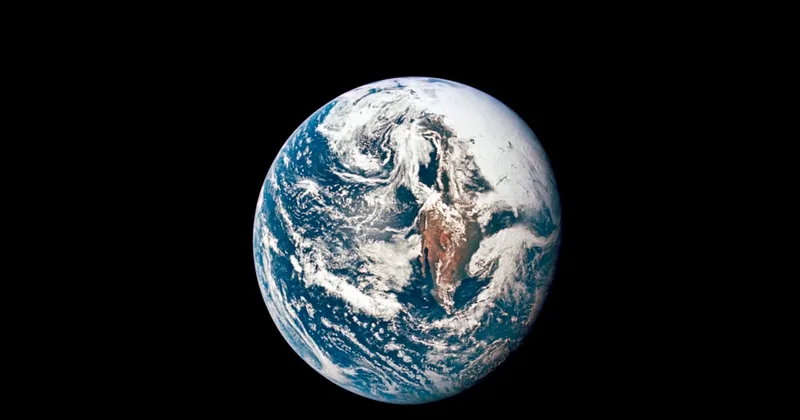
A recent study suggests the next ice age will likely begin in about 11,000 years unless emissions change the effects of natural climate cycles.
An ice age is a period of reduced temperatures causing ice to cover large areas of the northern and southern parts of the world.
A group of scientists studied changes in the shape of the Earth’s orbit around the sun, the tilt of the Earth’s axis and the movement of the axis itself, called a wobble. These three motions are believed to happen in cycles. The Serbian scientist Milutin Milankovitch developed a theory about 100 years ago that these cycles affected Earth’s long-term climate.
The team noted that small changes in Earth’s orbit around the Sun…
Tap any word for its translation at once; the word goes into your deck together with its sentence.